Title: Japan-Korea Stock Market Opening and Middle East Key Events: In-depth Analysis of Economic and Political Factors
Keywords: Japan stock market, Korea stock market, export price index, maritime blockade, Strait of Hormuz, US stocks, Iran-US agreement, economic recovery, energy
Introduction
On the 16th of this month, stock markets in the Land of the Rising Sun (Japan) and the Korean Peninsula opened with diverging directions, reflecting ongoing volatility and uncertainty in the global economy. While the Japanese stock market edged slightly lower, South Korea saw a significant increase, boosted by strong domestic factors. Meanwhile, events in the Middle East, particularly Iran's violation of the maritime blockade and the signing of a memorandum of understanding between the US and Iran, are sending ripples through energy markets and geopolitical perspectives. This article delves into the technical and economic factors driving market movements, while analyzing potential short-term and long-term impacts.
Part 1: Japan and South Korea Stock Markets – Divergent Directions
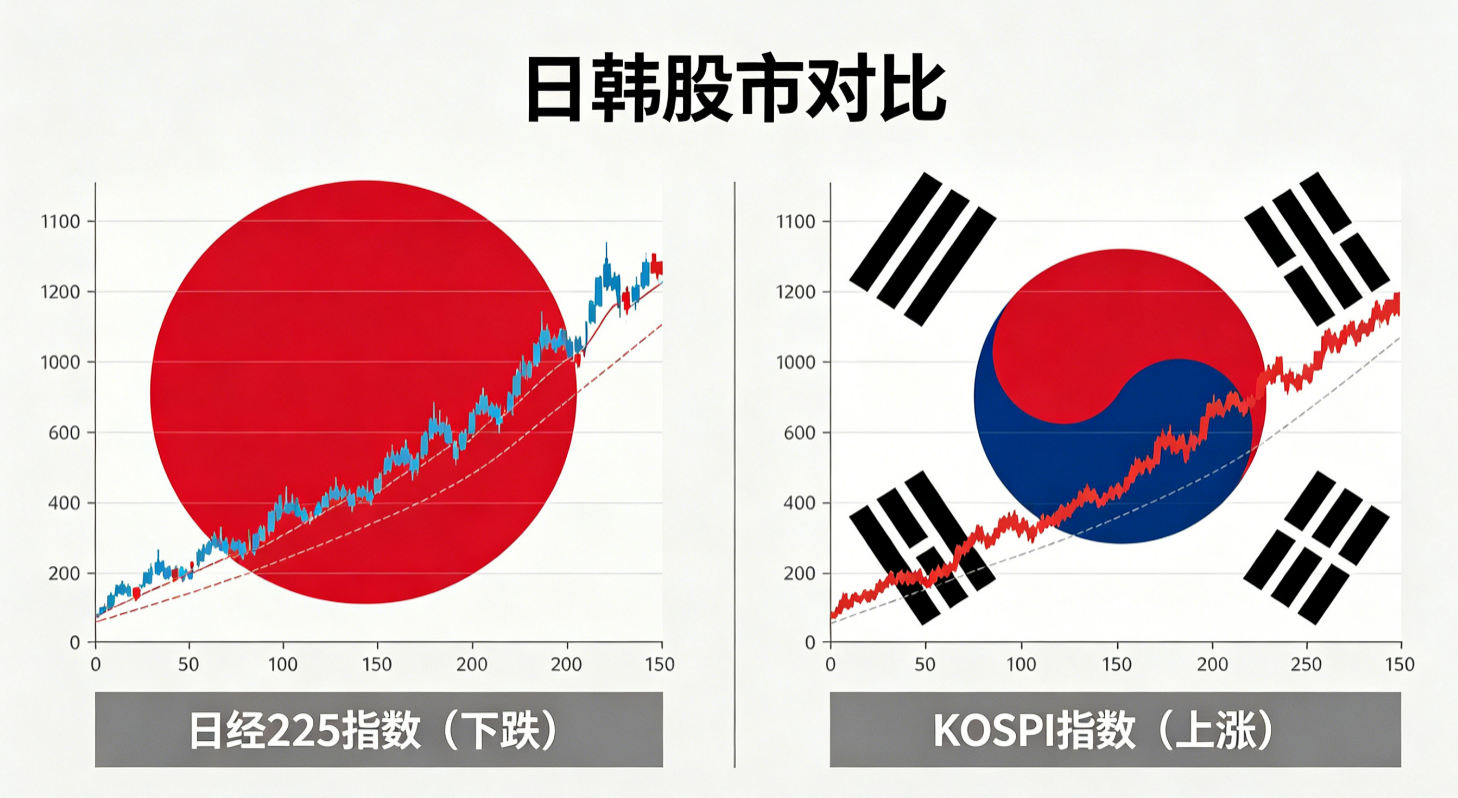
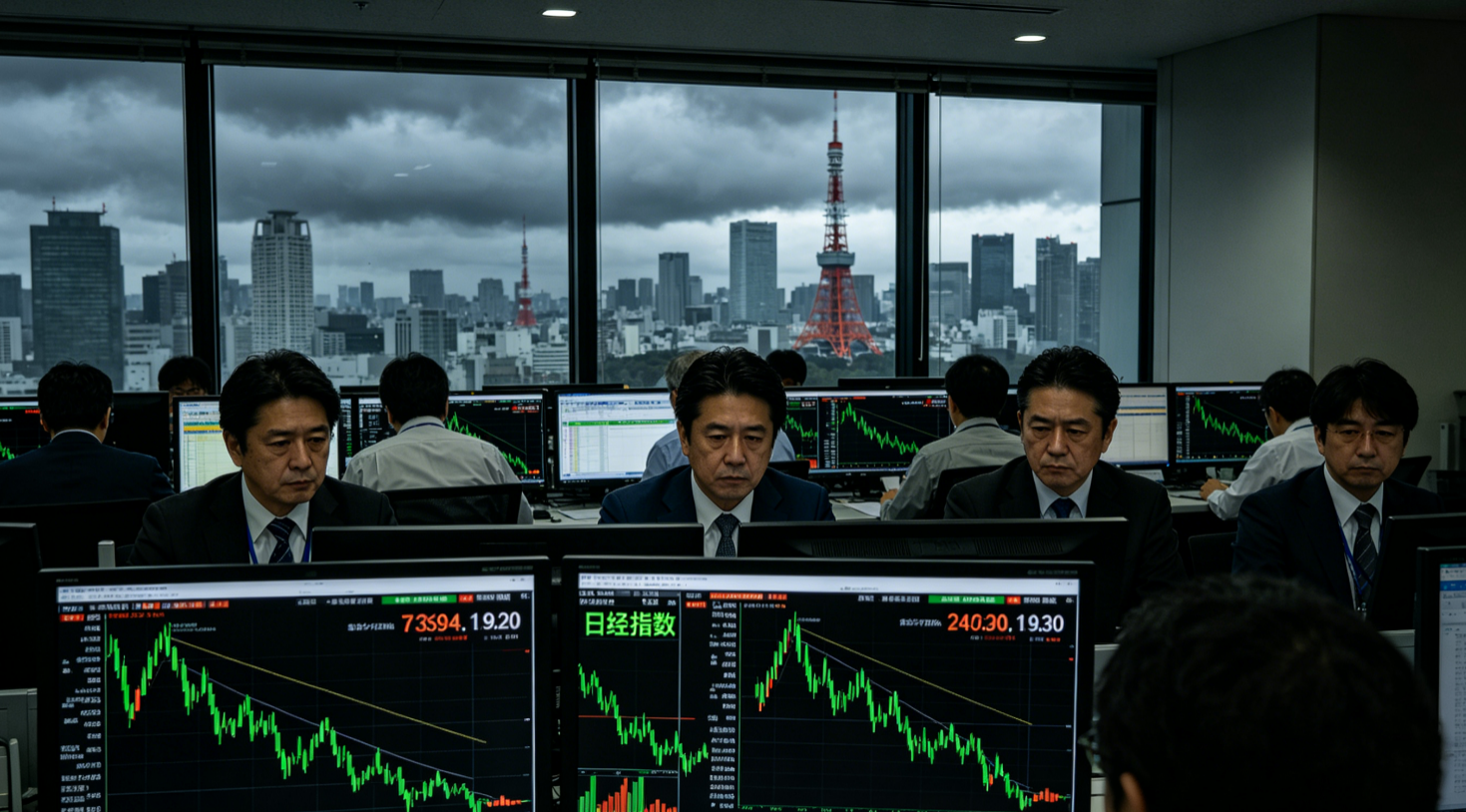
On the same day, Japan's Nikkei 225 index opened 0.04% lower at 69,288.91 points. This slight decline may stem from investor concerns about a slowing global economic outlook, as well as uncertainty surrounding the Bank of Japan's (BOJ) monetary policy, which continues to maintain extraordinary easing measures. Meanwhile, domestic inflation remaining below target and the weakening yen potentially pressuring imports could be factors preventing the Japanese market from a full recovery.
In contrast, South Korea's KOSPI index opened 1.8% higher at 8,696.55 points. This rise was driven by strong domestic economic data, particularly the export price index which surged 46.9% year-on-year in May, up from a previously revised figure of 41.3%. The increase in export prices indicates the competitiveness of Korean goods in global markets, especially in semiconductors and electric vehicles. Meanwhile, the import price index rose 24.8% (compared to a revised 20.5%), reflecting higher import costs, particularly from energy and raw material prices, which could challenge Korean companies in maintaining gross margins. However, the strength of the manufacturing and export sectors remains the main driver for South Korea's recovery from the COVID-19 impact.
Part 2: US Stock Market and Semiconductor Momentum
In the US market, on the night of the 15th (local time), all three major indices closed in positive territory. The Dow Jones rose 0.92% to a record high, the S&P 500 gained 1.65%, and the Nasdaq surged 3.07%. The Nasdaq's jump was driven by buying in technology stocks, particularly semiconductor shares which hit new all-time highs. Expectations of sustained chip demand growth, especially in artificial intelligence (AI) and cloud computing, remain a key supporting factor. Additionally, easing inflation in the US may lead the Federal Reserve (Fed) to slow future interest rate hikes, improving investment sentiment.
However, concerns over US-China trade policy and tensions in the Middle East remain risks for investors to watch, especially as oil prices rise due to the situation in Iran.
Part 3: Iran's Breach of the Maritime Blockade and Energy Impact
Iran's Fars News Agency reported on the 16th that several oil tankers and cargo ships carrying critical raw materials "smoothly passed the maritime blockade" early the same morning, claiming that the blockade imposed by the US and its allies had been rendered ineffective. Meanwhile, the Tasnim News Agency reported that three oil tankers and two cargo ships carrying key Iranian goods "broke the maritime blockade."
This move reflects Iran's efforts to maintain oil and essential goods exports despite facing stringent sanctions. The ability of these vessels to bypass the blockade could signal shifting geopolitics in the Persian Gulf, especially as the US and Iran have reached certain agreements.
Part 4: US-Iran Memorandum of Understanding – Hope for Easing Tensions
Senior US officials revealed on the 15th that the US and Iran have signed a Memorandum of Understanding (MoU) electronically, with a formal signing scheduled for the 19th. However, President Donald Trump, while attending the G7 summit in France, stated that the MoU would only be disclosed after the signing ceremony. The delay in publication may indicate mutual distrust between the two sides or negotiations over minor details.
More importantly, US officials stated that traffic in the Strait of Hormuz (one of the world's most critical oil transit chokepoints) would return to normal within 30 days, provided Iran promises to remove all mines laid in the area. The US claims to have intelligence on the location of all mines and is ready to assist in their removal. Restoring maritime traffic would help reduce oil supply risks and lower crude prices, benefiting the economy.

